Brain Health Infrastructure · International science
Advancing brain health in the age of scientific AI.
From discovery to reliable evidence. From evidence to better care.
Connecting neuroscience, increasingly capable AI and institution-governed research, beginning with precision neurotrauma.
Advancing individualized, evidence-based neurological care.
The central question
What does it take for better information about the brain, and increasingly capable AI, to become reliable individualized evidence, and for that evidence to support effective care?
Discover
Expand what we can investigate.
Establish
Determine which findings hold.
Translate
Advance evidence that matters.
More information about the brain does not by itself produce more reliable knowledge. More capable AI does not by itself produce valid conclusions. And discoveries do not by themselves become care that institutions can deliver.
Why infrastructure
Better science needs the capabilities to produce, question and use evidence.
Infrastructure here means the scientific and institutional capabilities that individualized evidence needs, most of which no single study builds.
Measurements
Imaging, biomarkers and longitudinal information with known meaning and limits.
Scientific AI
Advanced investigation with methods that can be inspected and evaluated.
Research environments
Interoperable computation governed by participating institutions.
People and institutions
Scientists, clinicians and research teams able to extend the work.
Scientific programme
Three priorities. One connected research agenda.
A broad mission, pursued through specific, independently led studies.
AI-enabled neurological discovery
Explore what increasingly capable scientific systems make possible, and where their limits lie.
Individualized evidence and intervention research
Understand which differences between patients are scientifically meaningful and potentially treatment-relevant.
International scientific infrastructure
Develop reliable research capability across institutions, populations and health systems.
Seven areas of investigation
- 01Detection and characterization
How neurological conditions and patient states can be identified and represented meaningfully.
- 02Imaging, biomarkers and temporal biology
What neurological measurements can reliably describe across modalities, methods and time.
- 03Reliable computational science and scientific AI
Which conclusions computational methods and AI systems can legitimately support.
- 04Sovereign, interoperable research infrastructure
How institutions collaborate while keeping authority over their data and computation.
- 05Clinical utility, implementation and equity
When neurological evidence improves decisions, services, outcomes and access.
- 06Research engineering and training
The scientific and technical competence sustained research depends on.
- 07Mechanisms and intervention evidence
How characterization relates to biological mechanisms and to treatments that may help.
Where we begin
Two research directions. One scientific mission.
Beginning with precision neurotrauma and the methods needed to investigate it reliably.
Reliable individualized evidence in traumatic brain injury.
- Reproduce established clinical and multimodal definitions.
- Evaluate imaging and biomarkers with attention to reference and timing.
- Compare inference, uncertainty and independent reproduction.
- Identify findings that justify mechanistic or intervention research.
Scientific AI across independently governed institutions.
- Characterize institutional research readiness and constraints.
- Evaluate interoperability and cross-site imaging measurement.
- Test scientific AI and authorized computation in approved environments.
- Measure capability, portability, cost and sustainability.
Research directions under development. Scientific leadership, authorized data, project roles and funding are agreed through individual collaborations.
First focus · traumatic brain injury
Where the programme begins.
Two people with the same severity score can have different injuries and different recoveries. Traumatic brain injury is the reference condition for studying what each measurement adds and how reliable it is. Four CBI-M pillars (clinical, biomarker, imaging and modifier) are each placed in time.
Traumatic brain injuryCharacterization is contextual. No universal single-number severity claim.
Serial neurological assessment—GCS, pupils, symptoms—recorded with time and assessor.
CT for the acute question; MRI sequences for what CT cannot show. Each contrast answers a different question.
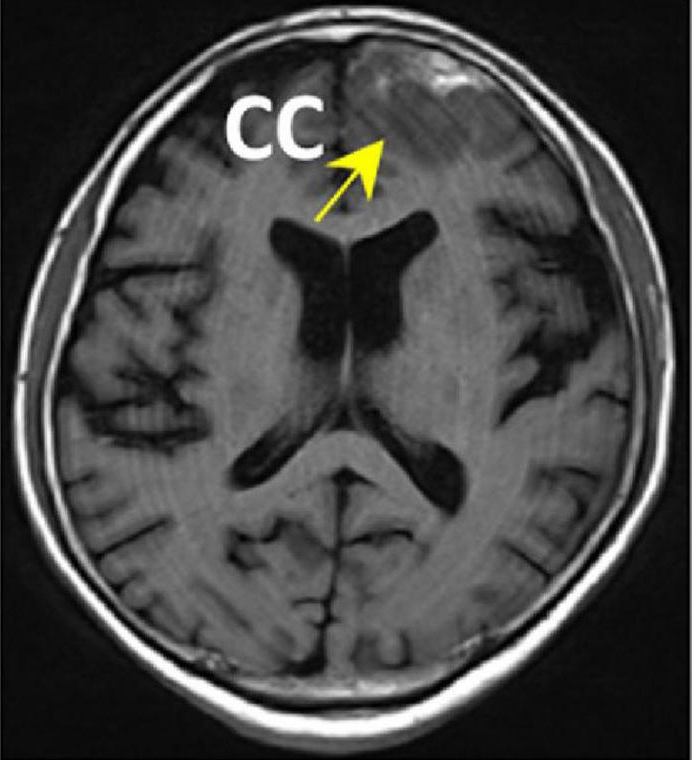
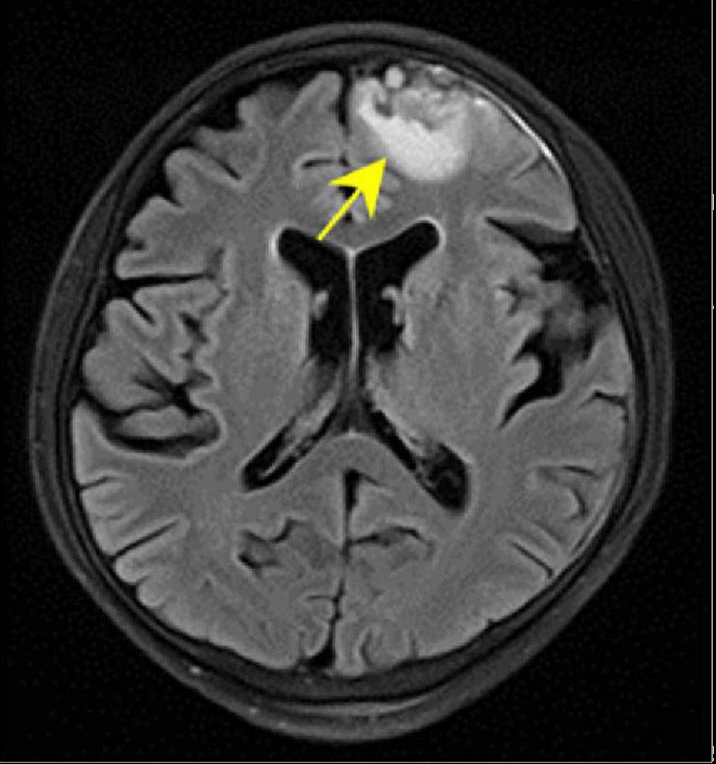
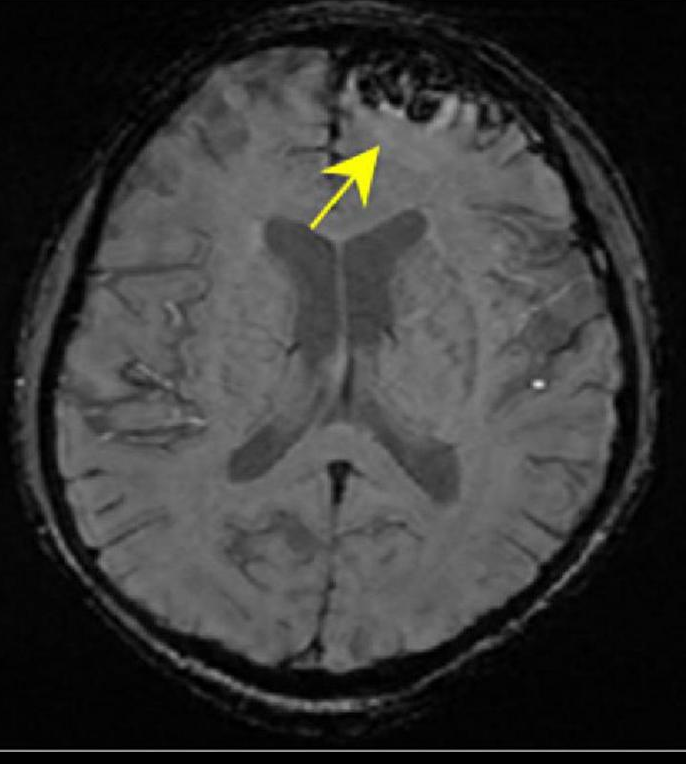
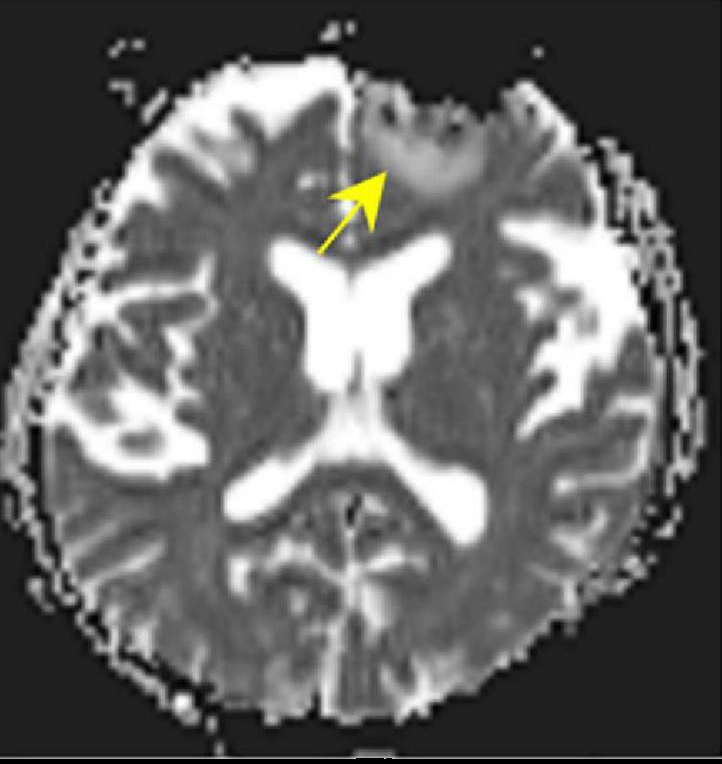
Tan et al. 2021, Front Bioeng Biotechnol 9:654677, Fig. 1 · CC BY 4.0 · one published case, four contrasts.
Assay-specific proteins with different timing. When the blood was drawn matters as much as the value.
Relative release and clearance over the first 72 hours.
Age, prior injury, medication, comorbidity and context change how every other observation is read.
Time is not a fifth pillar. This page places each of the four along time since injury.
Global by design
Science across borders. Authority within institutions.
An international scientific network in which each participating institution can help shape research questions, govern its contribution and build lasting capability. Participation is established individually; geographic scope is not a claim of existing membership.
Neurotrauma, imaging science, quantitative methods and established academic research environments.
Independent methods, rehabilitation, neuroscience and research infrastructure.
Neurotrauma research, multimodal studies, scientific AI and translational investigation.
Institution-led research, scientific AI, clinical questions and sustainable research capability.
From science to impact
Progress should be demonstrated, not assumed.
Advanced technology is the beginning of a scientific question, not evidence of better outcomes. Every stage needs its own evaluation.
Scientific foundations
Built on international neurotrauma research.
Foundations and external references, not programme partners.
These programmes advanced multimodal investigation, international standards and the understanding of injury and recovery. The programme builds on them and does not duplicate them or their data infrastructures.
Its contribution is to study the conditions connecting the stages: when measurements can be trusted, when computational findings can be reproduced and evaluated independently, when a characterization points to a treatable state, and how evidence is produced and used across different health systems.
About the programme
Investigator-led and independent.
EvidenceOS originated the programme and can contribute technology to it. Scientific questions, methods and publication belong to the investigators and institutions who lead each project.
The programme is free to evaluate other technologies and to publish unfavourable findings. Data access, funding and institutional participation are each agreed project by project. The programme is in formation and is not yet a funded or formally constituted consortium.
Participate
Help shape the future of brain-health research.
Conversations are open with investigators, institutions, innovators, funders and people affected by neurological conditions.
Traumatic Brain Injury
Characterization from injury to recovery—where EvidenceOS begins.
Explore02Biomarkers
Assays, timing and what each measurement can support.
Explore03Imaging
Sequences, review and multimodal context.
ExploreFor investigators, clinical research centres and research consortia: study design, multimodal analysis and reproducible methods under your institution’s governance.